WPFFA does not control water of its own. Instead, it makes extensive use of the rivers and dams controlled by The Cape Piscatorial Society. The Cape Piscatorial Society (or CPS as it is known) is South Africa’s oldest fly fishing society and is based in Cape Town. WPFFA and the CPS have a long-standing relationship together in promoting the sport of fly fishing in the Western Cape. The CPS manages some of the most famous mountain streams and still waters in the country.
Anybody can become a member of the CPS or pay for a day permit. For further details go to the CPS website.
Elandspad (du Toitskloof, 1 hour from Cape Town)
The Elandspad river in Du Toit’s Kloof is one of those mind-blowing rivers that will see you returning for more, again and again. Populated only by rainbow trout, the extent of the water inhabited is substantial. The average size of fish is between 10 and 12 inches, depending on the beat, but fish longer than 20 inches have been taken as high as Beat 4.
Holsloot (Stettynskloof dam tail-water, 90 minutes from Cape Town)
The Holsloot is a tailwater fishery flowing from the Stettynskloof Dam through a deep and arid gorge to join up with the Molenaars system before flowing into the greater Breede River. The Holsloot produces good numbers of rainbow trout, sometime in excess of 20 inches, which is considered a trophy on the small Western Cape streams.
have been taken as high as Beat 4.
Molenaars (du Toitskloof, 1 hour from Cape Town)
Lower down in the Du Toit’s Kloof valley, the Smalblaar river is known as the Molenaars. It consists of larger pools, wider runs and shallow pocket water. This is the last section before water extraction for the vineyards starts and the biggest fish – up to 20 inches - are routinely taken in this section.
Smalblaar (du Toitskloof, 1 hour from Cape Town)
The Smalblaar is probably the most popular river in the Western Cape due to its easy access and fantastic fishing. It flows alongside the Du Toit’s Kloof pass section of the N1 yet once you are on the river you can neither hear nor see the traffic.
Witte (Bainskloof, 1 hour from Cape Town)
The Witte River flows through the highest valley of the Bain’s Kloof mountains outside the town of Wellington. This river holds a historical population of the Loch Leven brown trout strain which was introduced in the late 1800s and has not been stocked since.
Lakenvlei Dam (82 ha, outside Ceres, 2 hours from Cape Town)
Lakenvlei is the Cape Piscatorial Society’s primary stillwater venue. It is a large, 82 ha, dam in the heart of the Hex River catchment area. Lakenvlei offers members the opportunity to catch some large brown and rainbow trout, with fish over 5lbs being caught. Furthermore, it offers members the ability to fly fish from float tubes, non-motorised boats or by wading from the bank.
Cape Nature (officially the Western Cape Nature Conservation Board) is a governmental organization responsible for maintaining wilderness areas and public nature reserves in Western Cape Province, South Africa.
In order to access the waters under the control of the CPS, anglers are required to have a ‘Wild Card’, which can be obtained from Cape Nature as well as a freshwater fishing license. As an alternative to a yearlong ‘wild card’, day permits are available from the CPS.
To obtain your license - you can visit Tuckers Tackle in the Southern Suburbs.
Safety
There are various safety aspects relating to fly fishing, but most importantly is to know about Snake Bites and the Rescue Numbers that you need.
As with any outdoor activity – SAFETY IS KEY!
The WPFFA wants all our anglers to make sure that they know what to do in the event of an accident.
The main rules for anglers:
- STAY WITH YOUR BUDDY – Always go with a buddy when you fly fish and seek help together should there be an accident.
- Before leaving find out where the nearest medical facility is and note the telephone number.
Types of snakes
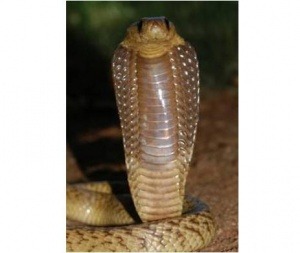
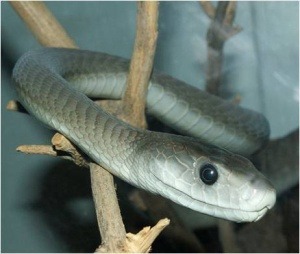
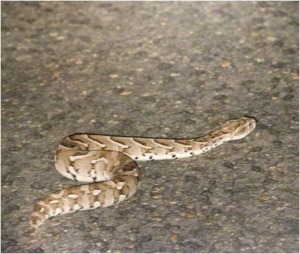
Effect of poisons
ONLY in suspected neurotoxic bites (mamba, Cape cobra), is it recommended that you apply a wide crepe bandage firmly above the bite site (as tightly as for a sprained ankle) to slow the spread of venom to vital organs like the heart and lungs.
The life-threatening neurotoxic effects of Mamba and Cape Cobra bites (such as difficulty in breathing) develop within 30 min to 4 hours. If you are more than 2 hrs away from medical assistance, respiratory support (e.g. mouth-to-mouth resuscitation) may be necessary.
The life-threatening effects of a cytotoxic snake bite (e.g. puff adder) develop late (6-24 hours).
Preferred treatment
Preferred treatment
In the case of a snake bite, get the patient to a medical facility as soon as possible. Phone ahead to notify them of the arrival of a snake bite victim – but stay calm. Snakebites are very seldom fatal and you have time to get to a hospital.
Immobilise the patient if possible. If alone, keep calm and do not walk too fast or run as this speeds up the distribution of the venom.
DO NOT suck the bite site.
DO NOT apply a tourniquet.
Comforting and reassuring the patient is a very important part of the first aid treatment.
Try to get a good description of the snake.
NOTE: Anti-venom should only be administered by the trained medical staff in a medical facility.
Mountain Rescue
The Mountain Club of South Africa can assist with any types of rescue and emergencies that you might experience while in the mountains. They have various branches, but you can contact MCSA for Cape Town if you are in the Western Cape.
Cape Town base: Tel: 021 937 0300 (WSAR); contact: David Nel 082 499 9656 ([email protected]) / Ant Hall ([email protected])
Somerset West base: Tel: 021 937 0300 (WSAR); contact: Gela Tölken 082 393 0407
For mountain security / crime related incidents in the W-Cape parks / Table mountain: 086 110 6417
